Howden: The Display Font for Crafters with Character
The late afternoon light hits my desk just right, illuminating the freshly printed candle labels I’ve been fussing over. I peel one from the sheet and hold it up. The words “Forest Pine” aren’t just text anymore; they feel like a whispered promise, stamped with a quiet, rustic assurance. That’s the magic of Howden. It’s not a pristine, perfect font. It’s one created by hand, with a rough, simple texture that feels alive on the page—or the label, the card, the tote bag.
The Honest Charm of a Handmade Font
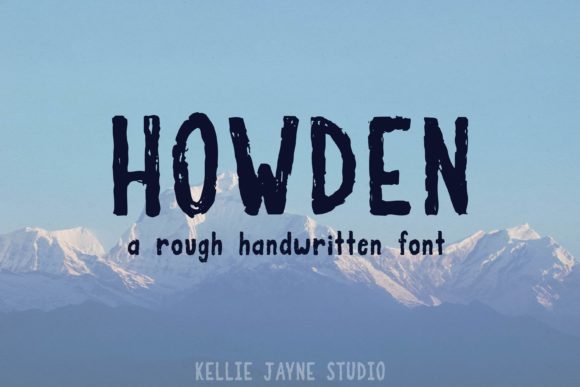
When you work with physical materials—paper, fabric, wax—you develop an appreciation for textures. Howden understands that. It’s a display font with just enough distressed character to keep its integrity. It doesn’t scream; it speaks with a warm, grounded voice. Its letters are readable and straightforward, but the subtle imperfections, the slight variations in the stroke edges, give it an authentic, almost tactile quality. For a maker, this translates directly into trust. A product label typed in a sterile, corporate font can feel disconnected. Howden bridges that gap, making the typography feel as handmade as the product it describes.
Its personality is one of rustic-modern charm. It carries a mood that’s both nostalgic and contemporary, perfect for branding that wants to feel established, artisan, and approachable. Whether I’m designing farmhouse-style wall art printables or minimalist wedding invitation suites, Howden provides a foundation of honest character.
Bringing Howden to Life in Your Shop
My favorite way to test a font is to see it across different mediums. Here’s where Howden truly shines.
For Labels, Tags, and Packaging
This is Howden’s home turf. Its distressed texture pairs beautifully with physical materials. On a matte-finish candle label, it looks like it was stamped or gently pressed. For boutique product tags on linen or kraft paper, it adds a premium, crafted feel without being overly delicate. I’ve used it for honey jar labels, soap packaging, and small-batch coffee bags. The font’s solid readability ensures the product name is clear, while its style elevates the perceived quality. It tells a customer, “This was made with care.”
For Stationery and Invitations
Greeting cards, wedding invitations, and planner pages benefit from a font that has personality but doesn’t overwhelm the design. Howden is excellent for titles, names, and short phrases. “Happy Birthday” on a card gains a friendly, relaxed warmth. On a wedding welcome sign mockup, the names of the couple feel celebrated and personal. For digital planner pages, using Howden for section headers creates a consistent, enjoyable aesthetic across a printable set. It’s particularly effective paired with a clean, simple sans serif font for body text—this combination keeps everything readable while letting Howden provide the decorative anchor.
For Merchandise and Seasonal Designs
When designing for mugs, tote bags, or shirts, you need a font that can scale well and maintain its character. Howden’s rough simplicity works beautifully here. A phrase like “Morning Coffee” on a mug design feels cozy and authentic. For a seasonal product, like a set of autumn-themed stickers or a holiday gift tag, Howden can convey that festive, handmade spirit. Its straightforward forms also make it a reliable choice for cutting machines like Cricut or Silhouette; the clear letter shapes ensure clean cuts for vinyl stickers or intricate paper designs.
For Digital Downloads and Shop Branding
Your shop’s visual identity extends beyond physical products. Howden can be a powerful tool for creating cohesive branding. Using it consistently in your digital download preview images—for wall art, card templates, or party printables—helps customers recognize your style. It also works wonderfully in social media graphics announcing a new product line or a seasonal sale. The key is using it for display purposes: your shop name, product titles, highlighted phrases. This builds brand consistency and emotional appeal, making your entire shop feel like a curated, creative space.
Practical Advice for Using Howden
A font is a tool, and using it well means understanding its strengths and pairing it thoughtfully.
Where Howden Works Best
Howden is, by design, a display font. It excels at short phrases, names, titles, and decorative wording. Think product labels, banner headlines on invitations, sign quotes, and logo-style text for your shop. It’s not intended for long paragraphs of body text. For that, you’ll want to pair it with a complementary font. A modern, clean sans serif is a natural partner, creating a balance between character and clarity. A simple serif font can also work for a more classic, editorial feel. If you’re designing a festive item, a playful script font might pair well for accents, letting Howden handle the main, solid information.
Readability Across Formats
Always test. Print a sample label at the actual size you’ll use. Check how Howden looks on a small sticker—its simplicity helps here, but ensuring there’s enough contrast between the font and the background is key. For mockup previews in your online listings, make sure the text is legible even at a smaller scale in the image. On physical merchandise like shirts, consider the fabric texture; Howden’s own texture can complement a natural fabric like cotton beautifully.
Checking the Technical Details
Before using any font for commercial products—physical items, templates, printables, or merchandise—it’s crucial to review the licensing. Confirm that Howden includes a commercial license that covers your intended use. Also, check the included file formats (often OTF, TTF, and sometimes web font formats) to ensure compatibility with your design software, whether it’s Adobe Illustrator, Canva, or software for your cutting machine. Look at the character set: does it support the languages or special characters you might need? Some fonts include alternates or ligatures that can add extra flair; explore these to see if they fit your design vision.
A Font That Feels Like a Collaborator
In the end, the best fonts don’t just sit on your screen; they participate in the making. Howden has become a collaborator in my workshop. It’s the font I reach for when I need text that feels present, honest, and imbued with a craftsman’s touch. It turns a simple product tag into a story snippet and a wedding invitation into a personal artifact. Its rough, readable charm is a subtle signal to your audience—a signal that what they’re holding, downloading, or purchasing came from a mindful, creative process. And for a maker, that connection, forged through thoughtful design, is everything.